
Guide · 18 October 2026 · 5 min read
How to tell real bilona ghee from cream ghee
Both are called desi ghee. Here is what actually differs, what you can notice at home, and what only a lab can tell you.
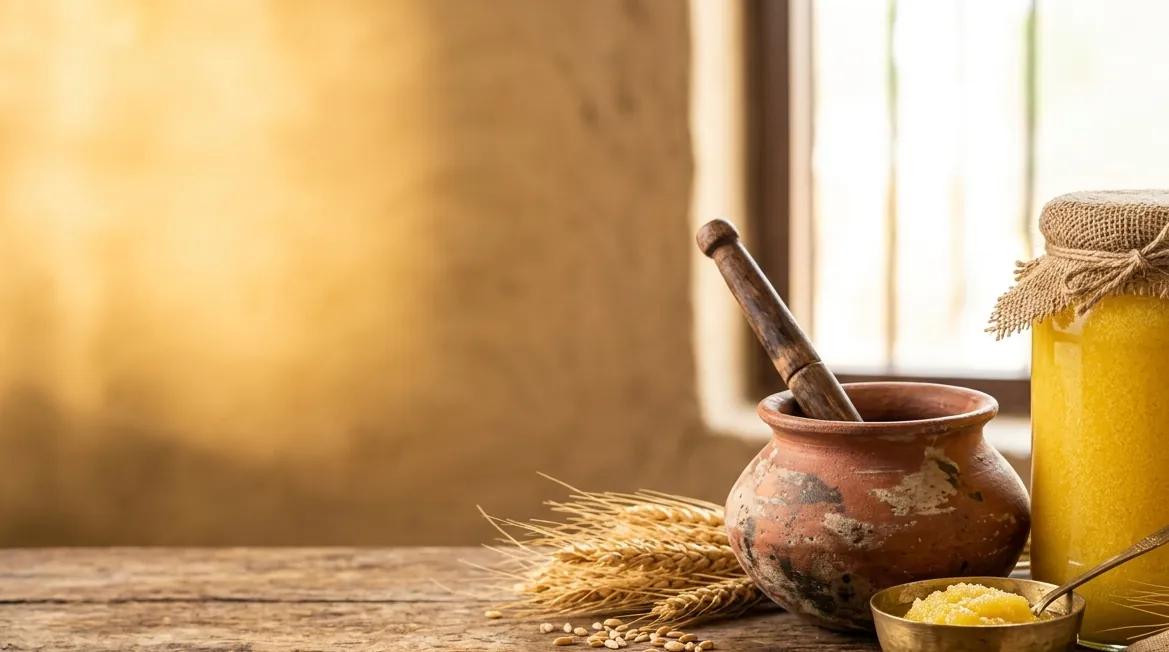
Walk into any shop and every jar says desi ghee. The word on the label does not tell you how it was made. The real difference is the road the milk takes before it becomes ghee.
Two roads to ghee
- Cream ghee: cream is separated from milk by machine and heated until it turns to ghee. Fast and cheap, and how most shelf ghee is made.
- Bilona ghee: whole milk is boiled, set into curd overnight, churned into makhan and buttermilk, and only the makhan is slow-cooked into ghee. It takes far more milk and many more hours.
What you can notice at home
- Aroma: bilona ghee carries a gentle, slightly tangy, nutty smell from the curd step. Warm a spoonful in a pan and the smell fills the kitchen.
- Texture: slow-cooled bilona ghee sets with a natural grain, called daana. It feels a little sandy between the fingers.
- Colour: cow ghee is naturally pale to golden yellow. Buffalo ghee is whiter.
- Price: bilona ghee needs roughly 25 to 30 litres of milk per kilo. If a jar costs about the same as cream ghee, ask how it was made.
What home tests cannot prove
You will find many "purity tests" online, like melting a spoonful or freezing it. They can hint at gross adulteration, but none of them can tell bilona from cream ghee, or prove a jar is pure. Only a lab report on that batch can do that.
Ask the maker how their ghee is made and where the milk comes from. A maker who does it the long way will happily tell you, step by step.
Made from curd, not cream.
Our family's hand-churned desi cow bilona ghee, from Barnala.
Keep reading
Guide·3 min read
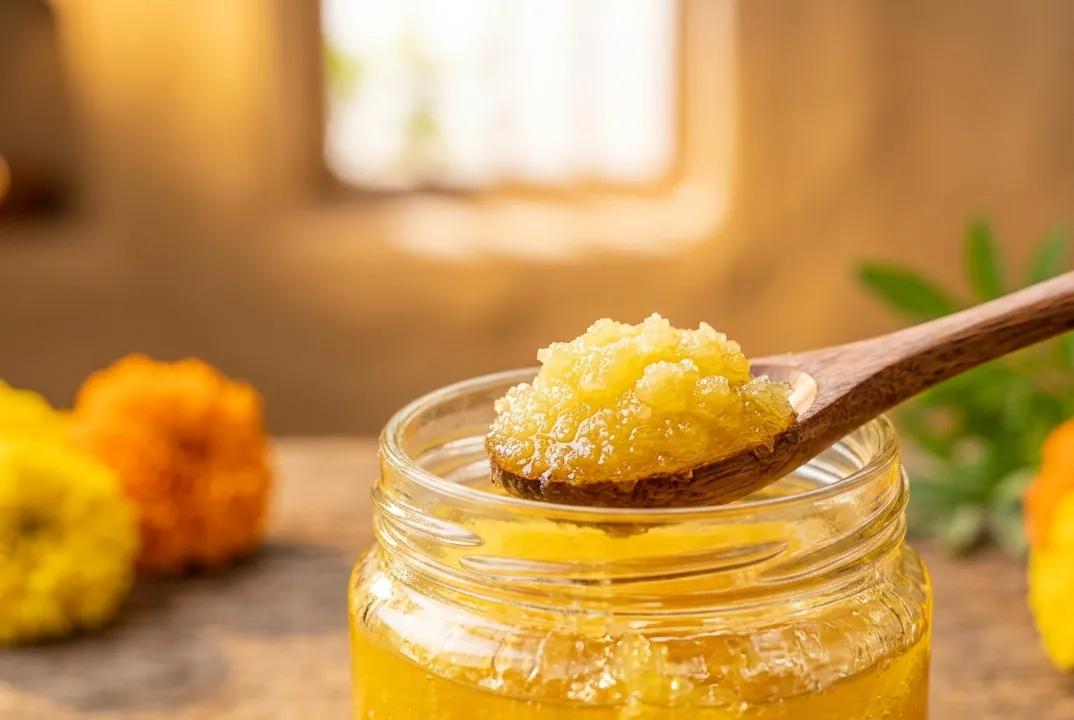
Why your ghee is grainy one day and liquid the next
Grainy in winter, runny in June, layered in between. None of it means the ghee has gone bad. Here is why it happens.
Read
Guide·3 min read
How to store desi ghee so it stays fresh
No fridge needed. Four simple habits keep a jar of ghee tasting fresh to the last spoon.
Read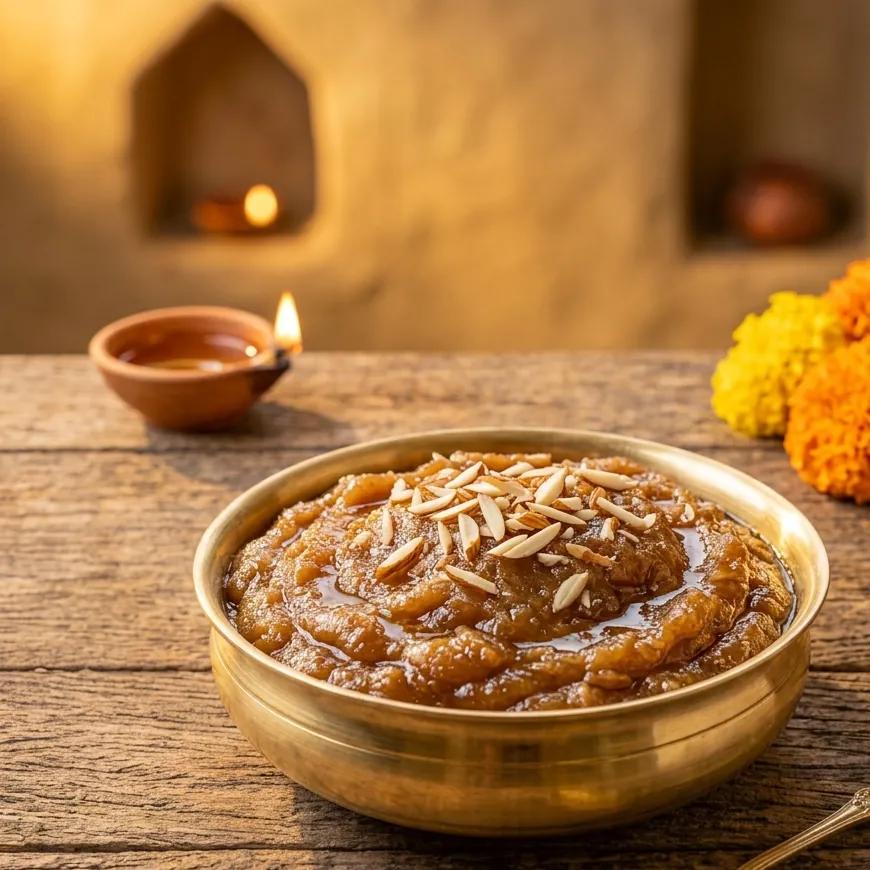
Recipe·4 min read
Atta halwa, the way it's made at the gurudwara
Equal parts atta, ghee and sugar. The simplest Punjabi sweet, and the one where good ghee matters most.
Read